

15 Years in the Making
For 15 years, we have been shaping PusztaFarm step by step. Each year brings new ideas to realise — and endless learning along the way. We continue to discover more about plants, animals, traditional processing methods and the many practical skills that rural life requires.
Indigenous Breeds & Everyday Farm Life
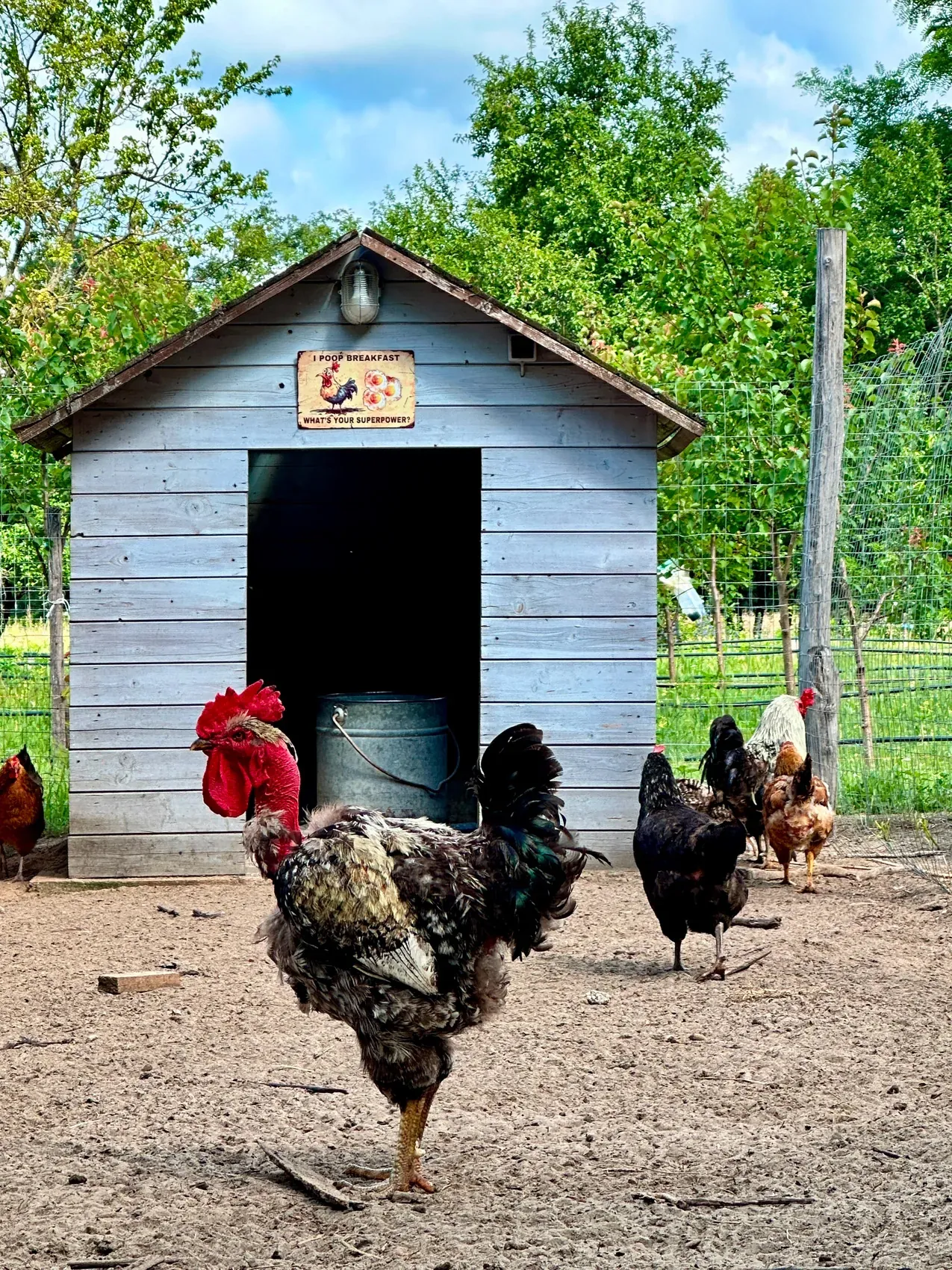
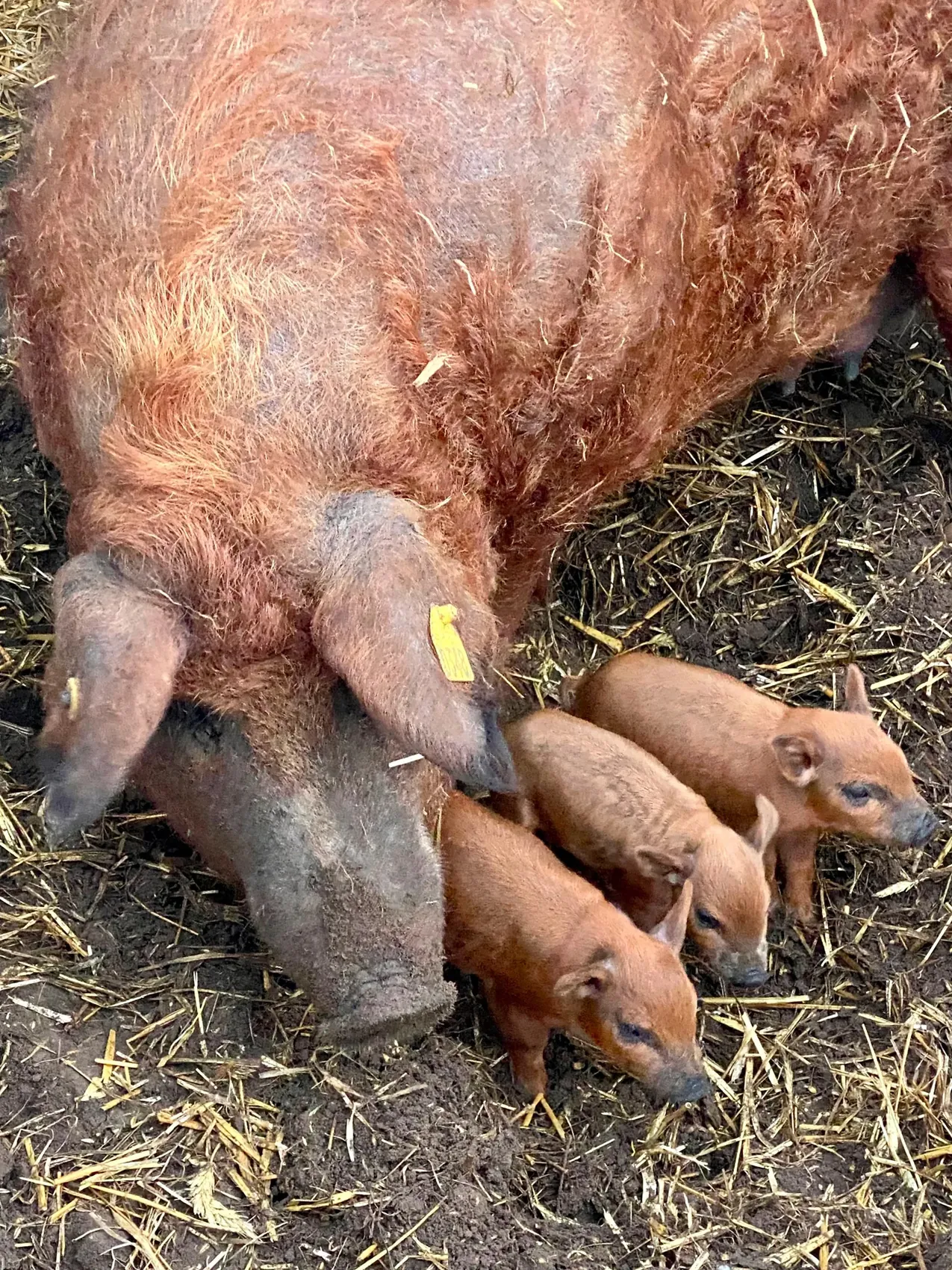
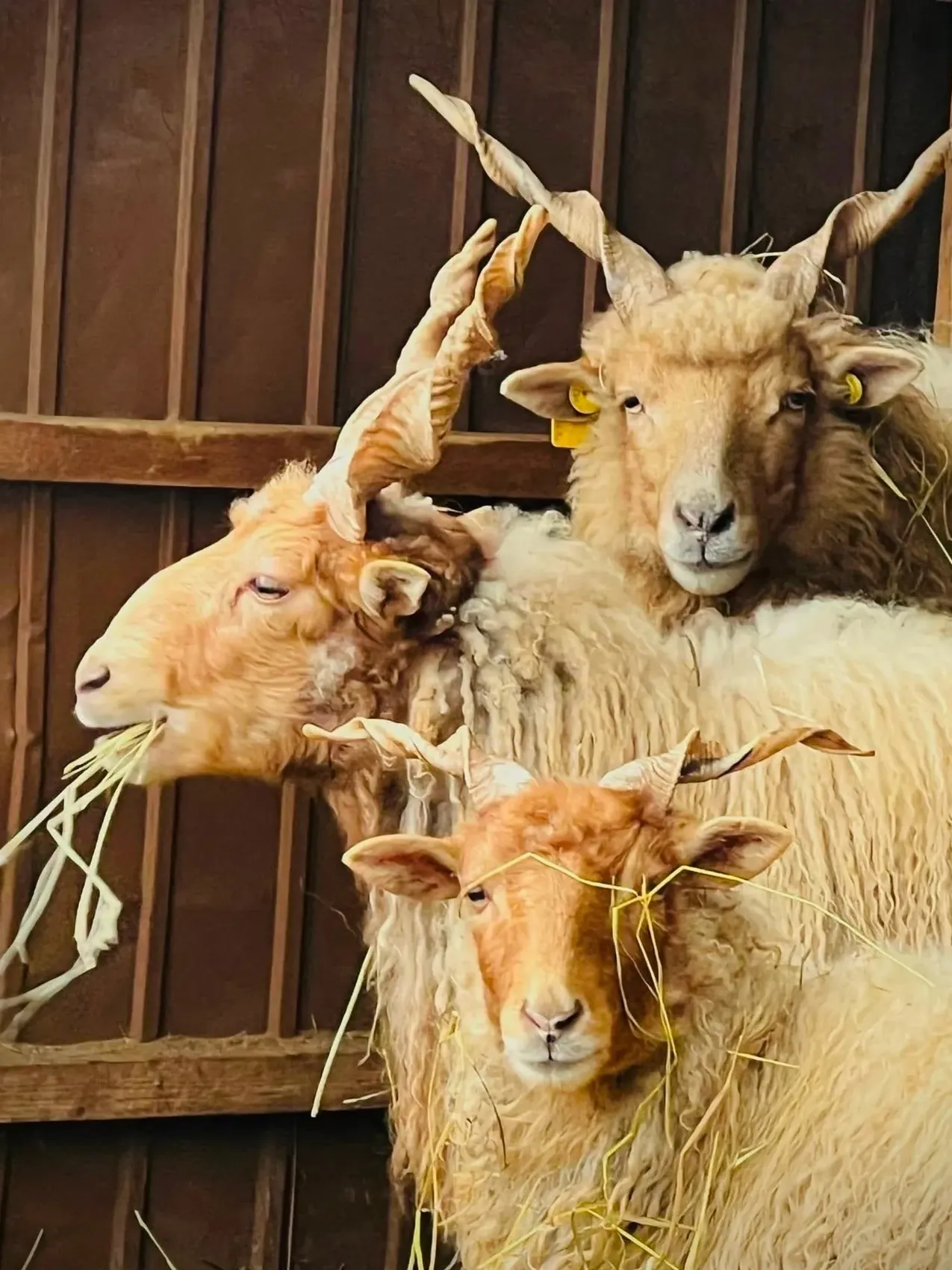
We keep indigenous Hungarian breeds: Mangalica pigs and Racka sheep. Roosters, hens, ducks and geese are an essential part of the farm’s daily rhythm. In the aviary live pheasants, turkeys and guinea fowl — and for the past few years, four peacocks have added colour and character to our lives. And then there are the quails — timeless favourites here. Their eggs are a true family delicacy. When time allows, we even manage the hatching ourselves. There are few things more uplifting than watching a tiny bird emerge from its shell.
The Kitchen Garden
Our large kitchen garden provides an abundance of vegetables: onions, carrots, parsley, tomatoes, peppers, celery, kohlrabi, zucchini, broccoli — and our personal favourite, Swiss chard.
Of course, this does not come without effort. Some years bring generous harvests; other years bring lessons. Last season, much of the crop was happily enjoyed by peacocks and guinea fowl who escaped from the aviary. Occasionally, despite all precautions, a fox finds its way in.
Such is the great circle of nature.
Orchard & Sustainability
A few years ago, we planted around 180 fruit trees of various varieties. An irrigation system now ensures sustainable water supply across the entire estate.
We pay close attention to the nutrition of our animals, feeding them GMO-free grain and green plant waste. Our Mangalica pigs are always grateful for leftover kitchen scraps.
A Garden Shaped by Movement
Our large landscaped garden turned out to be an ambitious undertaking. At first, we considered professional design, but somehow that plan never materialised.
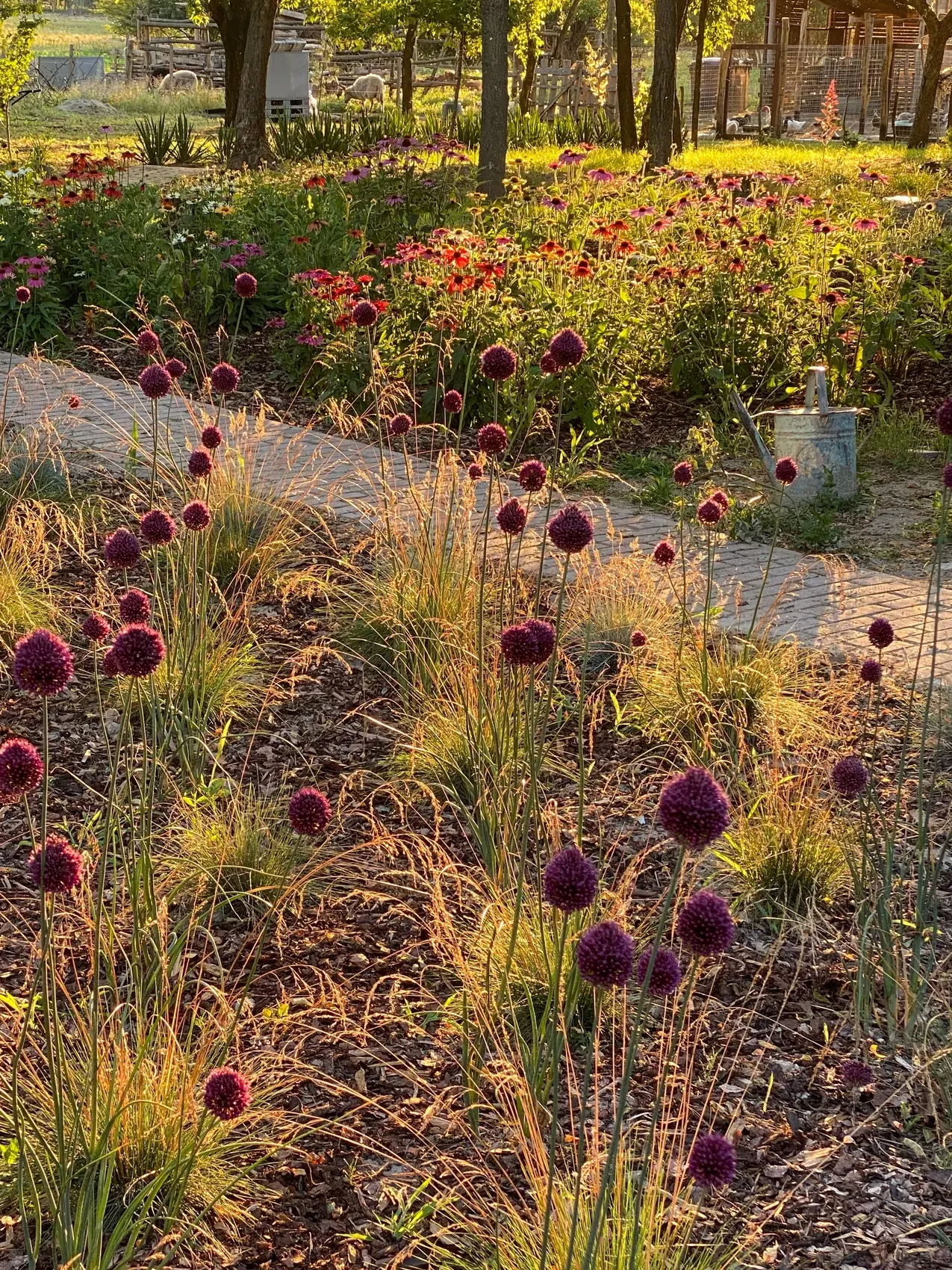
Instead, we chose a different method. We observed the natural paths we walked between the houses — and wherever we consistently found ourselves walking, that is where the brick pathways were laid.
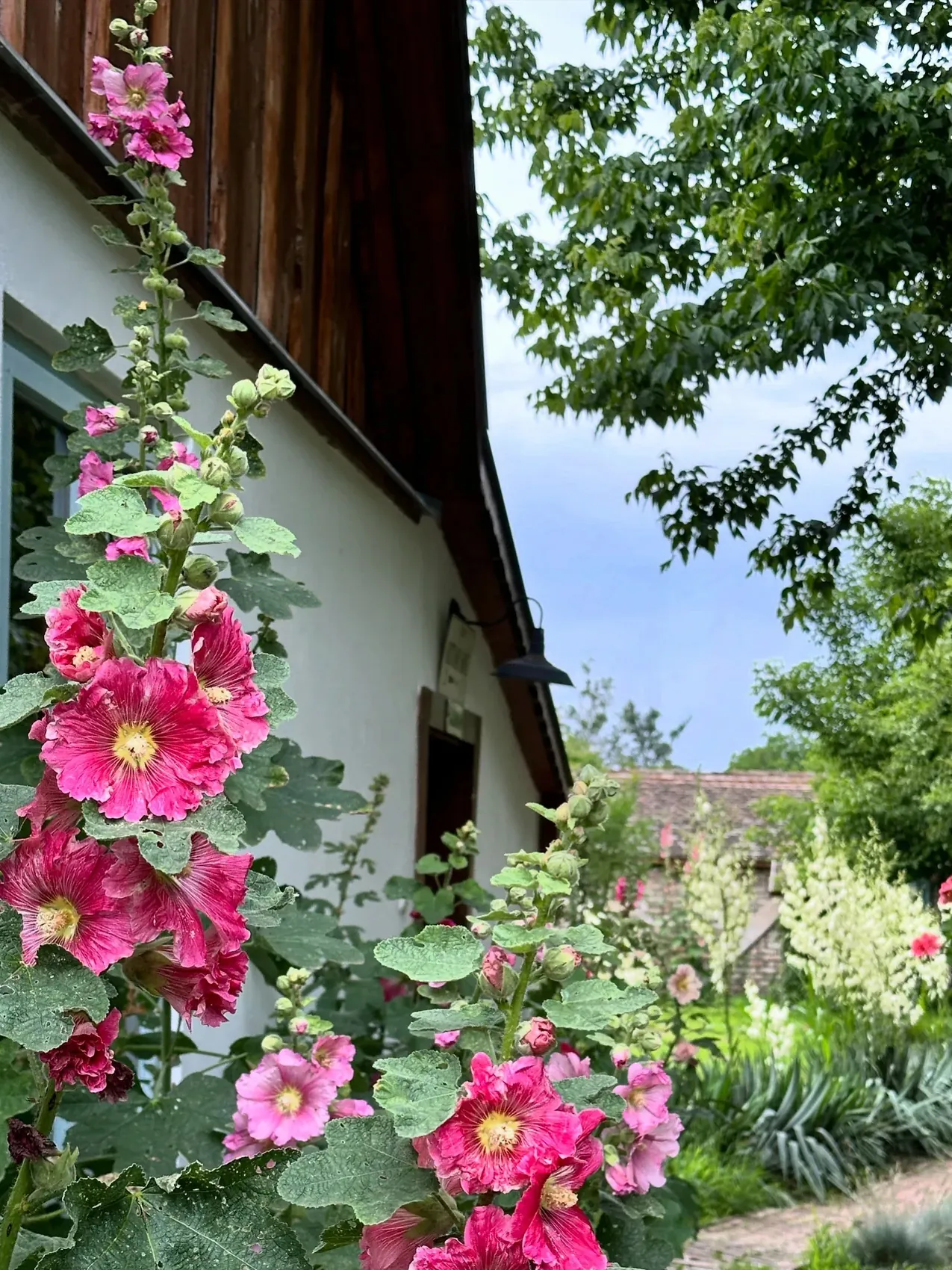
Traditional Hungarian farmsteads followed a certain order in their gardens: every plant had its role, its place and its season. Inspired by this heritage, we tried to bring that wisdom into practice. Today, nearly 4,000 perennial plants flourish throughout the garden.
Our collection of herbs and medicinal plants continues to grow and is part of our daily life: sage, lemon balm, bay leaf, mint, basil, oregano, ornamental spinach, rosemary, nettle and chives, among others.
A Changing Countryside
Farmsteads are not unusual in this region. In recent years, many have become inhabited again. Young families moving out of the city and retirees relocating from Western Europe are reshaping the rural landscape.
Small estates of one or two hectares — modest in size, yet generous in meaning. Enough to sustain a household. The 20–30% surplus we produce becomes part of our seasonal farm-to fork menus, and members of the Szatyor local producers’ community in Kecskemét also purchase our products.
Our Path Here
Neither of us was born here.
My husband comes from Budapest and is a veterinarian. I grew up as a Swabian girl from Mór and worked in tourism across Europe for a Swiss company.It is remarkable that our shared home found us here, in the Kiskunság National Park.
The Puszta Teaches You
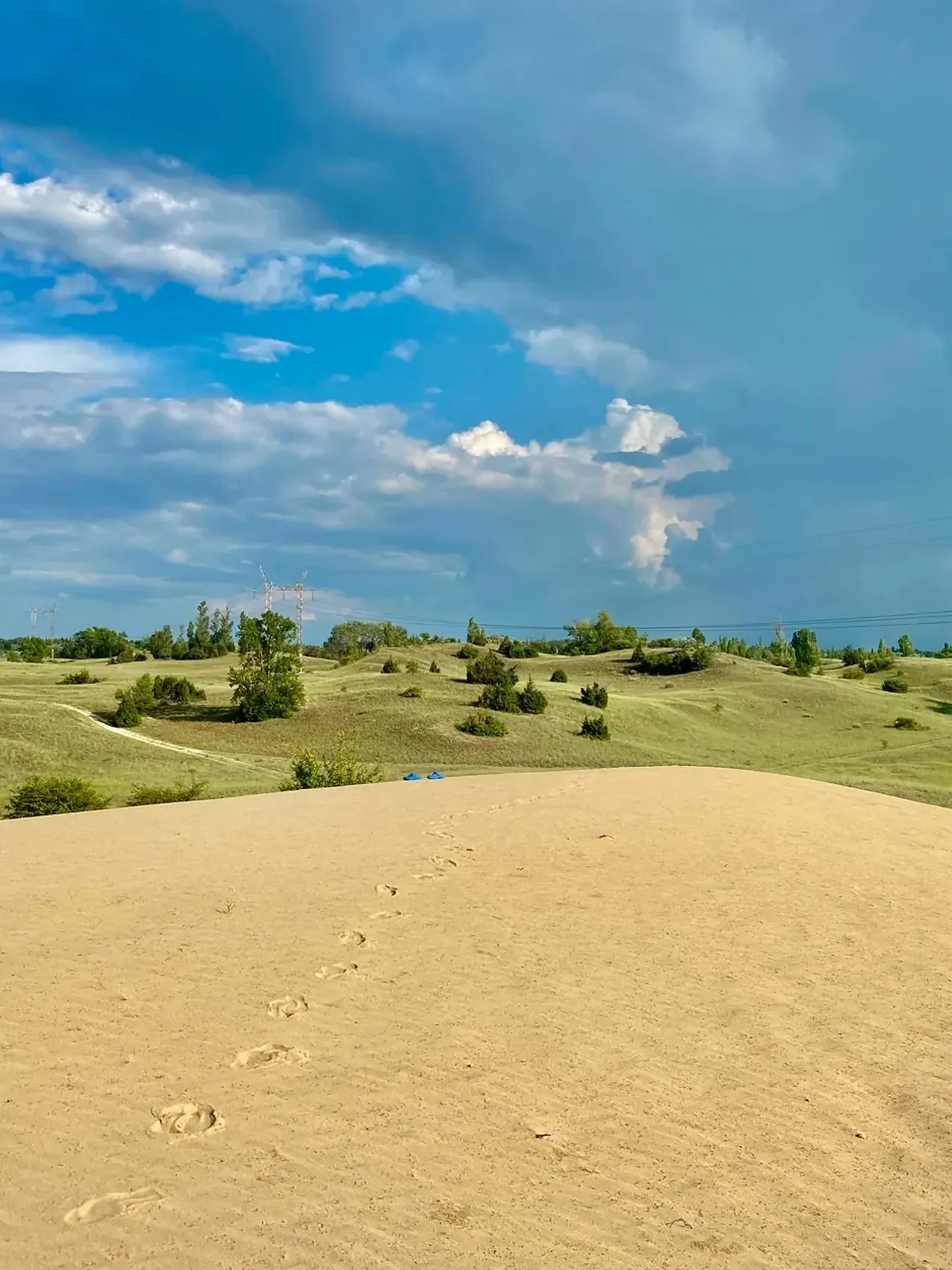
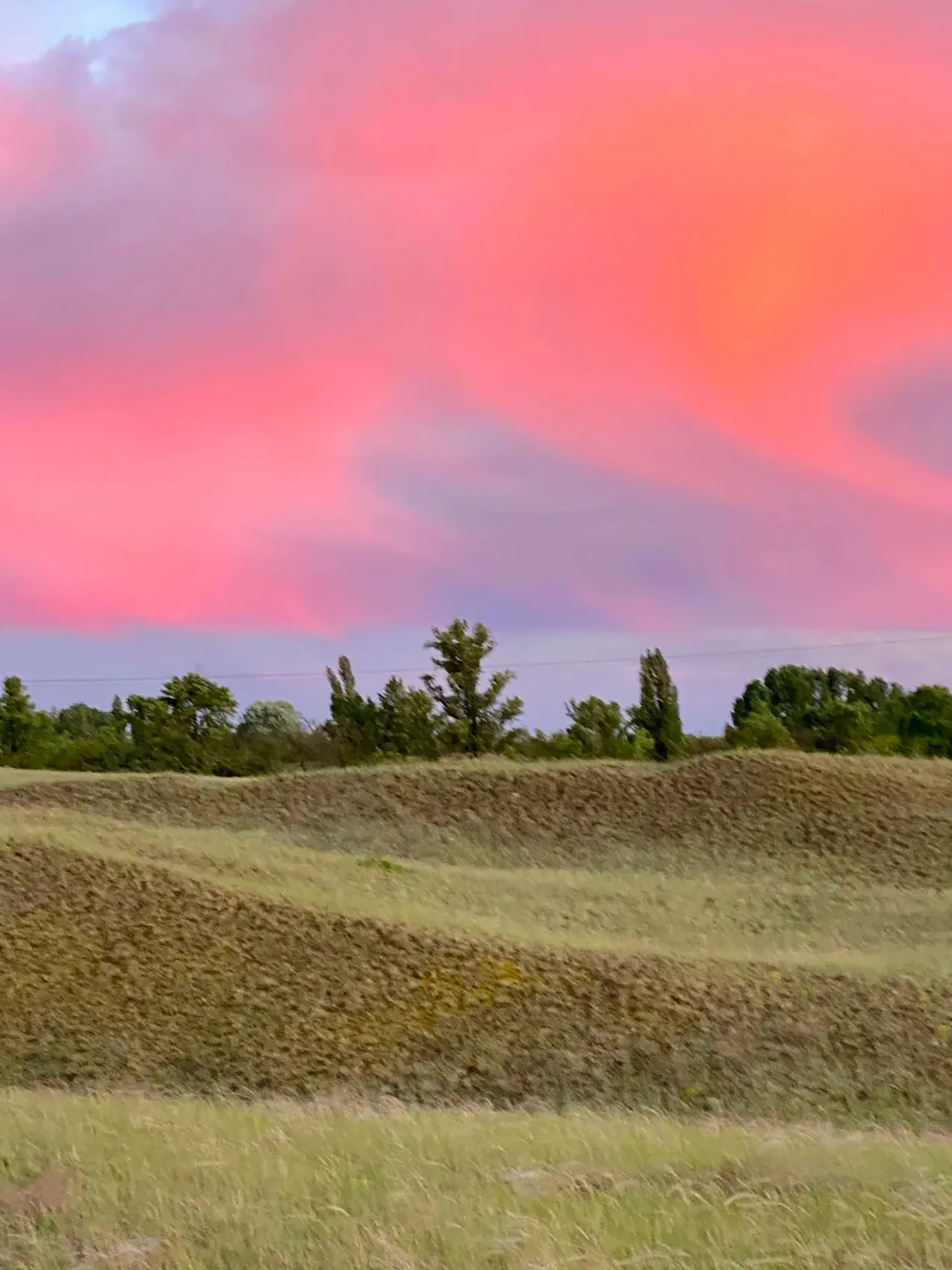
The vast open spaces, endless horizons and profound silence offer a rare sense of freedom.
The Puszta teaches you to slow down, to observe, and to be fully present in what surrounds you.Here, our guests can experience what it feels like when space, silence and nature embrace them.The sight, the sound, the taste — and the memory — of the Puszta stay with you long after you leave.